Air Conditioning Refrigerant Toxicity
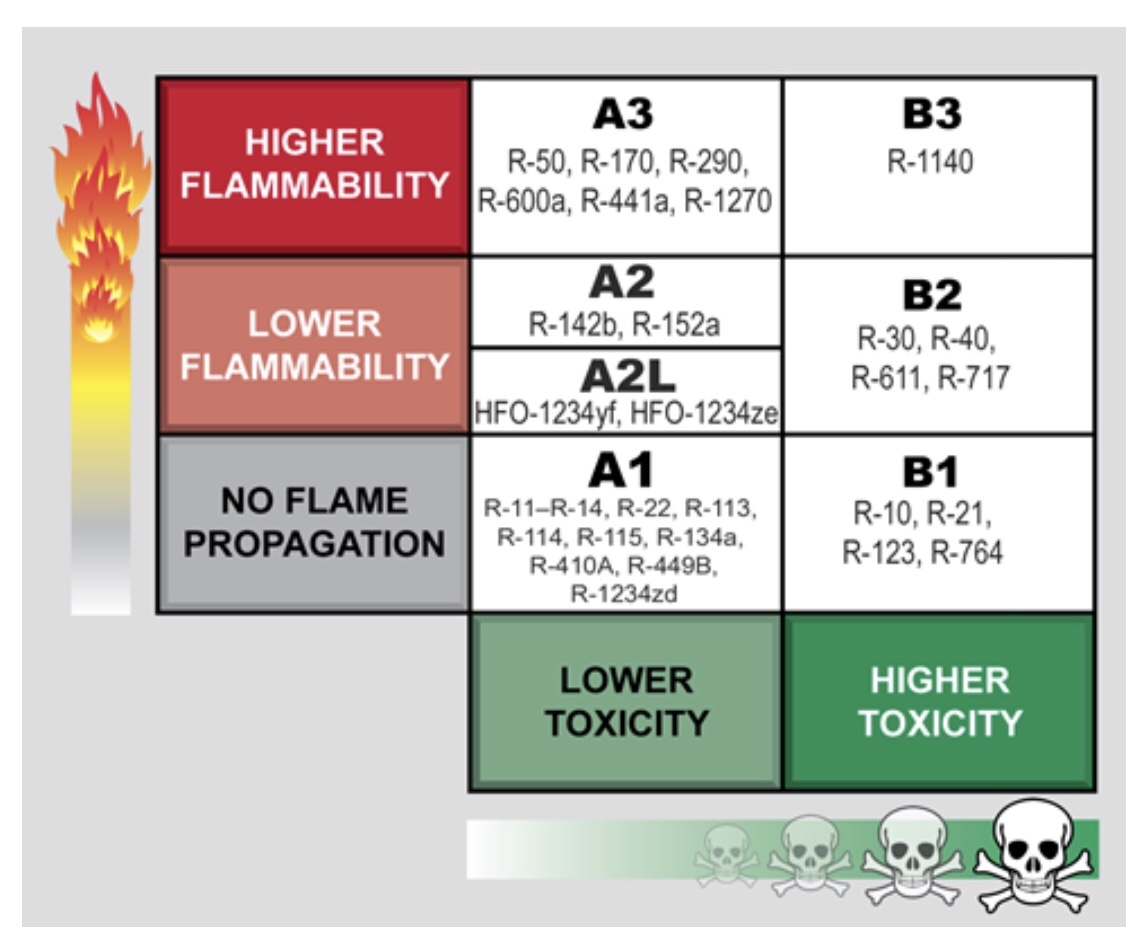
Class A signifies refrigerants for which toxicity has not been identified at concentrations less than or equal to 400 ppm by volume and class B signifies refrigerants with evidence of toxicity. The necessary safety precautions would be too.

Are Freon Leaks In Your Home Dangerous
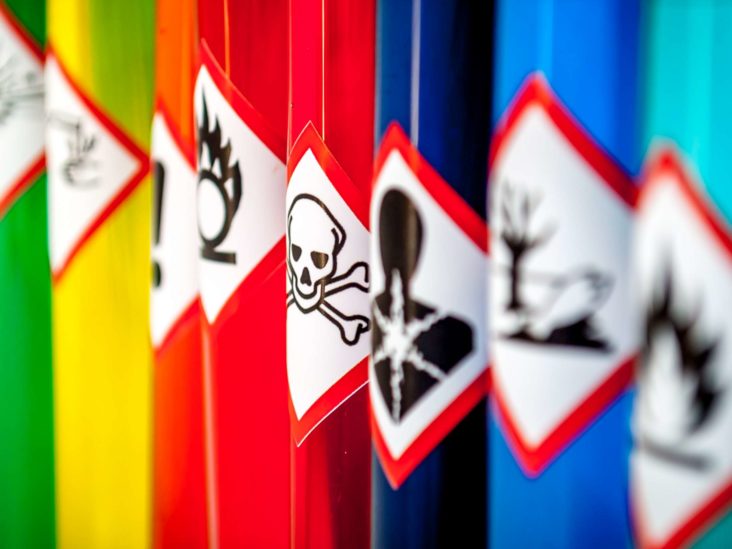
Refrigerant poisoning happens when someone is exposed to the chemicals used to cool appliances.
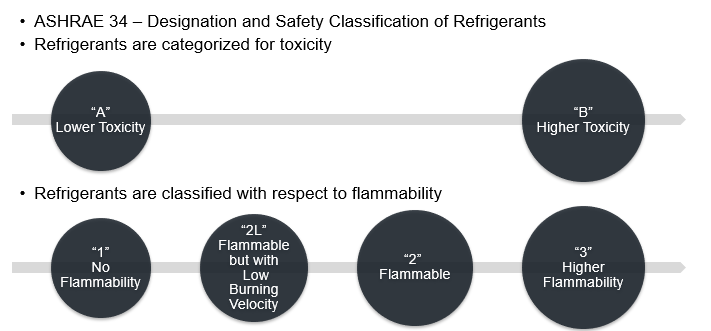
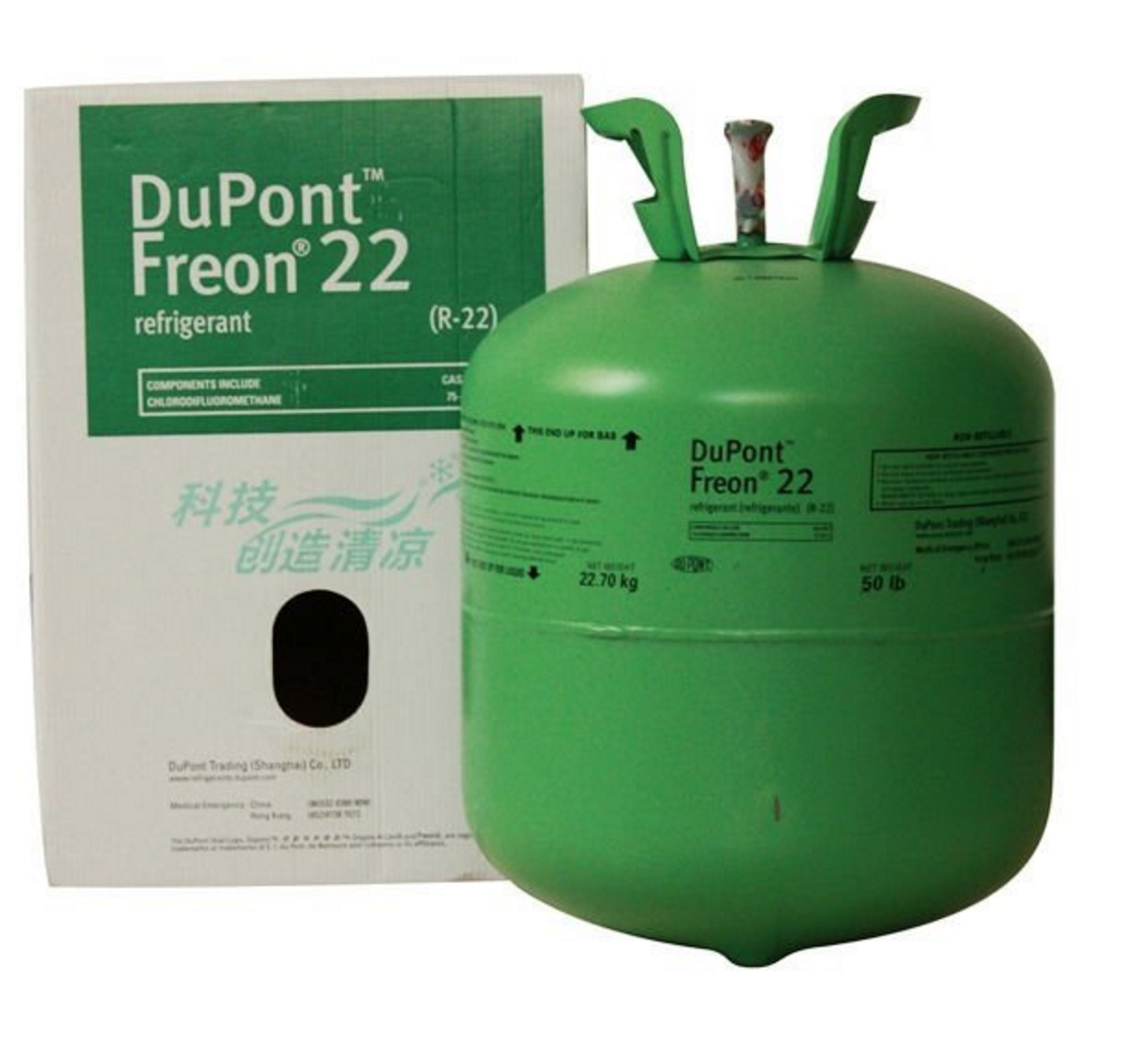
Air conditioning refrigerant toxicity. Freon is the trade name for a class of chemicals called chlorofluorocarbons or CFCs used primarily in refrigeration and air conditioning. Toxicity is classified as Class A and Class B and flammability as Class 1 Class 2 and Class 3. As far as toxic refrigerants there are very few that are still on the market place today.
Propane R290 is a flammable refrigerant and is becoming quite popular in small self-contained refrigeration units like vending machines and reach-in coolers. There are easy ways to mitigate this risk. A refrigerant is a working fluid used in the refrigeration cycle of air conditioning systems and heat pumps where in most cases they undergo a repeated phase transition from a liquid to a gas and back again.
The environmental flammability and toxicity impacts are classified for a refrigerant in an air-conditioner. Some example refrigerants are Ammonia R-717 and Opteon XP30 R-514A. So if your Freon.
Relevant refrigerant alternatives for split systems ie. If theres been a refrigerant leak down there virtually all the breathable air may have been pushed up and out and you might find yourself in an environment where you could very quickly run out of oxygen and pass out. Side Effects of Breathing Freon or Other Refrigerants.
Freon contains chlorofluorocarbons CFCs which are known to deplete the ozone. Both of these safety groups are considered non-toxic meaning no toxic exposures will occur at concentrations. All you need to do is take steps to increase air circulation like pumping air from the outside into the basement.
Ammonia R717 a refrigerant commonly used in many types of refrigeration system and which is not an F-gas is not considered as an alternative in split air conditioning systems for toxicity reasons classification of B2L. Propane R290 which is an A3 refrigerant. One of the tell-tale signs of a possible freon.
Refrigerants having low toxicity and low flammability are selected across the world however the classification does not mention the threat posed by the high GWP of these refrigerants. Reference 5 Freon and other refrigerants are toxic and can cause poisoning and even death. Refrigerants are heavily regulated due to their toxicity flammability and the contribution of CFC and HCFC refrigerants to ozone depletion and that of HFC refrigerants to climate change.
Certain appliances such as refrigerators air conditioners and freezers contain chemicals called. In a class B refrigerant toxicity is identified at the concentration of. Most refrigerants under serious consideration for use in automobiles are either rated A1 for low-flammability or A2 for moderate flammability.
First several of the fourth-generation refrigerants are mildly flammable and a subset of those has a higher toxicity rating see Figure 1. Class B toxicity signifies refrigerants for which there is evidence of toxicity at concentrations below four hundred parts per million. Refrigerants for which toxicity has not been identified at concentrations less than or equal to 400 ppm by vol-ume and class B signifies refrigerants with evidence of toxicity at concentrations below 400 ppm by volume.
This guide explores in detail the dangers and signs of refrigerant leaks. Freon is a stable nonflammable moderately toxic gas that is tasteless and mostly odorless. Letters A and B designate lower and higher toxicity.
Most air conditioners use a chemical called Freon as a refrigerant. Refrigerant poisoning happens when a person inhales chemicals used in cooling appliances. This is a compound found in a gaseous or fluid state that provides air conditioning or refrigeration when it absorbs heat from the environment.
The American Society of Heating Refrigerating and Air-Conditioning Engineers ASHRAE currently rates refrigerants for their toxicity and flammability IIR 2011. By flammability refrigerants are divided in three class-es. Refrigerant contains chemicals called fluorinated hydrocarbons often referred to.
For this reason refrigerant leaks are considered environmentally hazardous. In cooling your home your air conditioner does not actually consume any Freon it simply cycles it through. Refrigeration service workers are at risk due to occupational.
Class 1 indicates refrigerants. You need to understand that the loss of refrigerant can lead to operational issues to your unit. If playback doesnt begin shortly try restarting your device.
17 Zeilen Toxicity classification of refrigerants is assigned to classes A or B. The most common toxic refrigerant is ammonia and you would generally only find it in old appliances or large industrial applications. ASHRAE Standard 34 classifies refrigerant flammability and toxicity.
This is akin to shaking up.
First Aid For Refrigerant Poisoning

Is Ac Refrigerant Toxic A Fl Tech Answers Climate Design
Update On Air Conditioning Safety Standards For Hvac R Equipment Ul
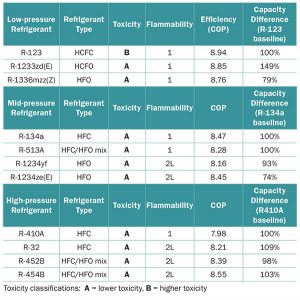
Insights On Refrigerant Flammability And Safety Hpac Magazine

Flammable Refrigerants Emerson Us
Understanding Refrigerant Toxicity Flammability Refrigerant Hq
Flammable Refrigerants Plumbing Hvac

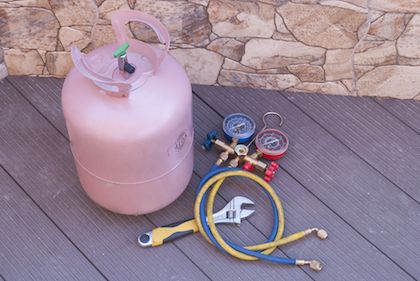
Why Ac Refrigerant Leaks Are Dangerous Easy Ac
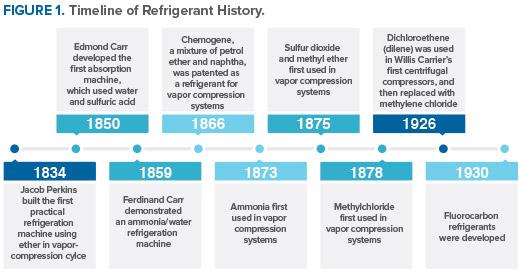
False Alarms The Legacy Of Phosgene Gas Hvac School
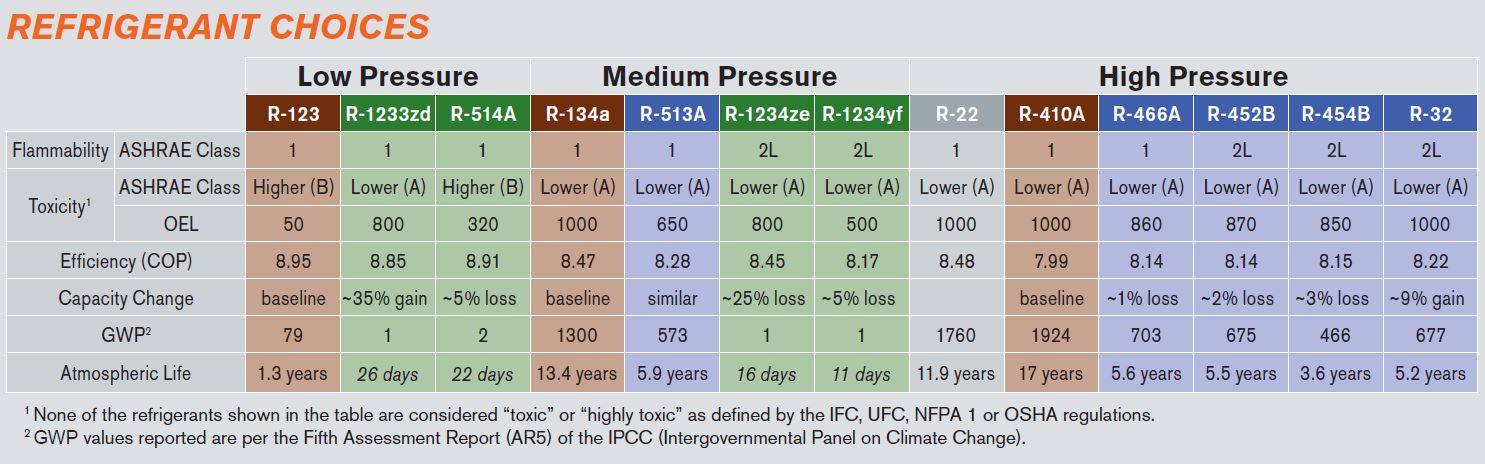
Refrigerant Choices For Chillers Remain Complex 2019 05 06 Achr News
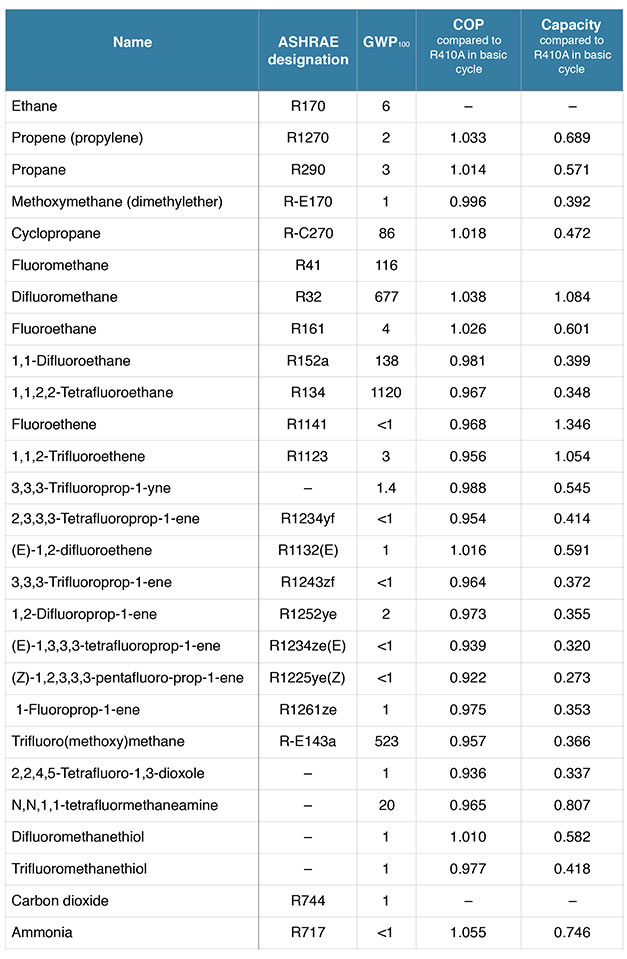
Air Conditioning Faces Flammable Future Cooling Post

Are Freon Leaks In Your Home Dangerous
Refrigerant Poisoning Causes Symptoms And Treatment
Dangers Of Breathing Freon Comfort Solutions Hvac
Refrigerants Flammable Toxic Hvac School

Hvac R Industry Gets Friendly With Flammable Refrigerants Ul
High Purity R134a Automotive Air Conditioning Refrigerant Cooling Agent Non Toxic R134a Refrigerant Air Conditioning Refrigerant Car Air Conditioning Aliexpress

How Often Does A Central Air Conditioner Need Refrigerant In Colorado Plumbline Services

Freon Leaks How Refrigerant Loss Affects Your Air Conditioner

Posting Komentar untuk "Air Conditioning Refrigerant Toxicity"